



Here's What You Need to Know Before Buying a Lab-Grown Diamond Engagement Ring
Lab-grown diamond engagement rings are no longer a niche within the jewelry industry; they’ve become the go-to choice for younger couples. Half of millennial and Gen Z couples are choosing lab-grown diamond engagement rings, reflecting a growing focus on sustainability, transparency, and design. If you’re planning to propose in 2026, the chances are that you’re already set on choosing a lab-grown diamond vs. a natural diamond.
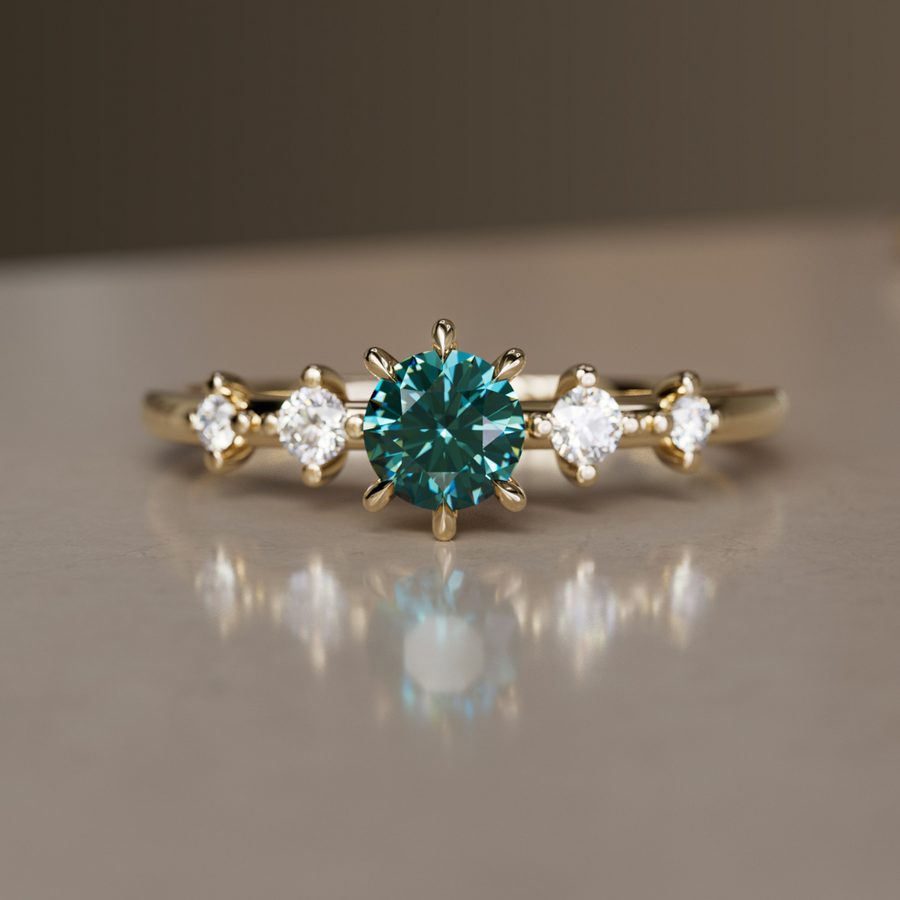
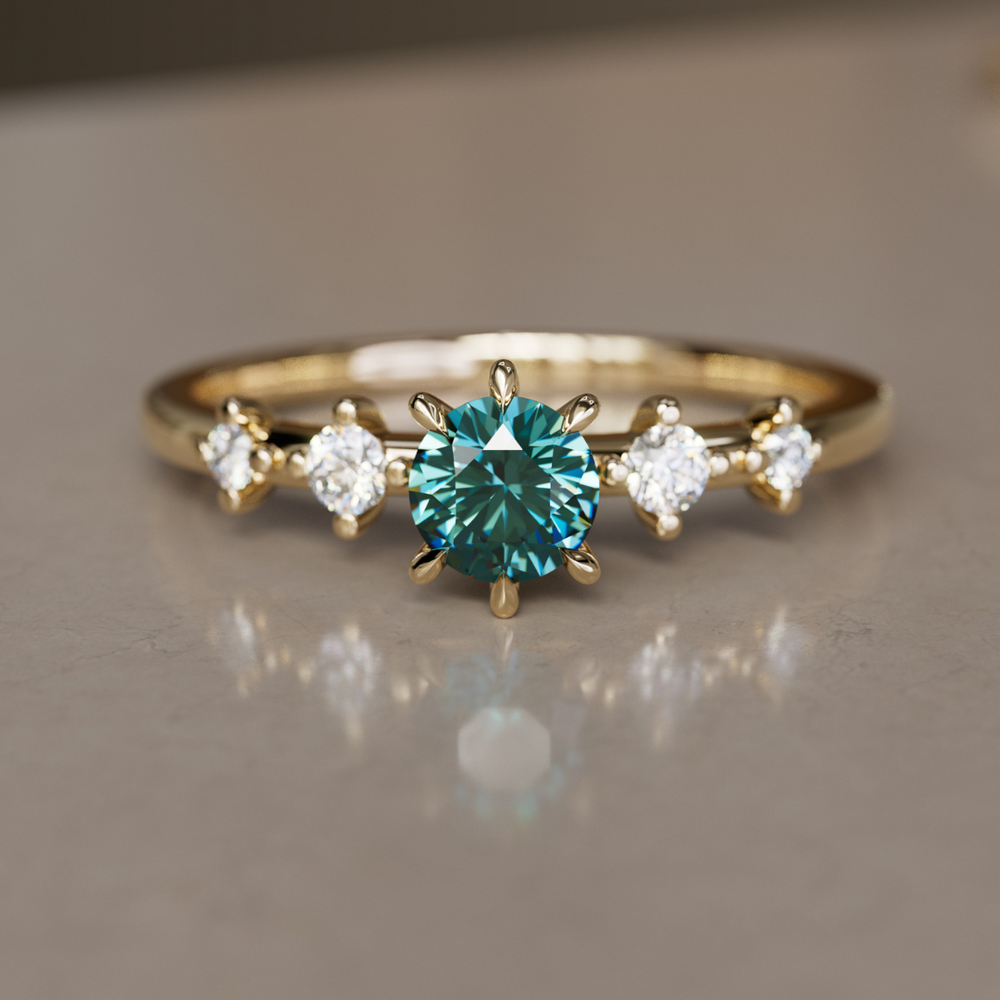
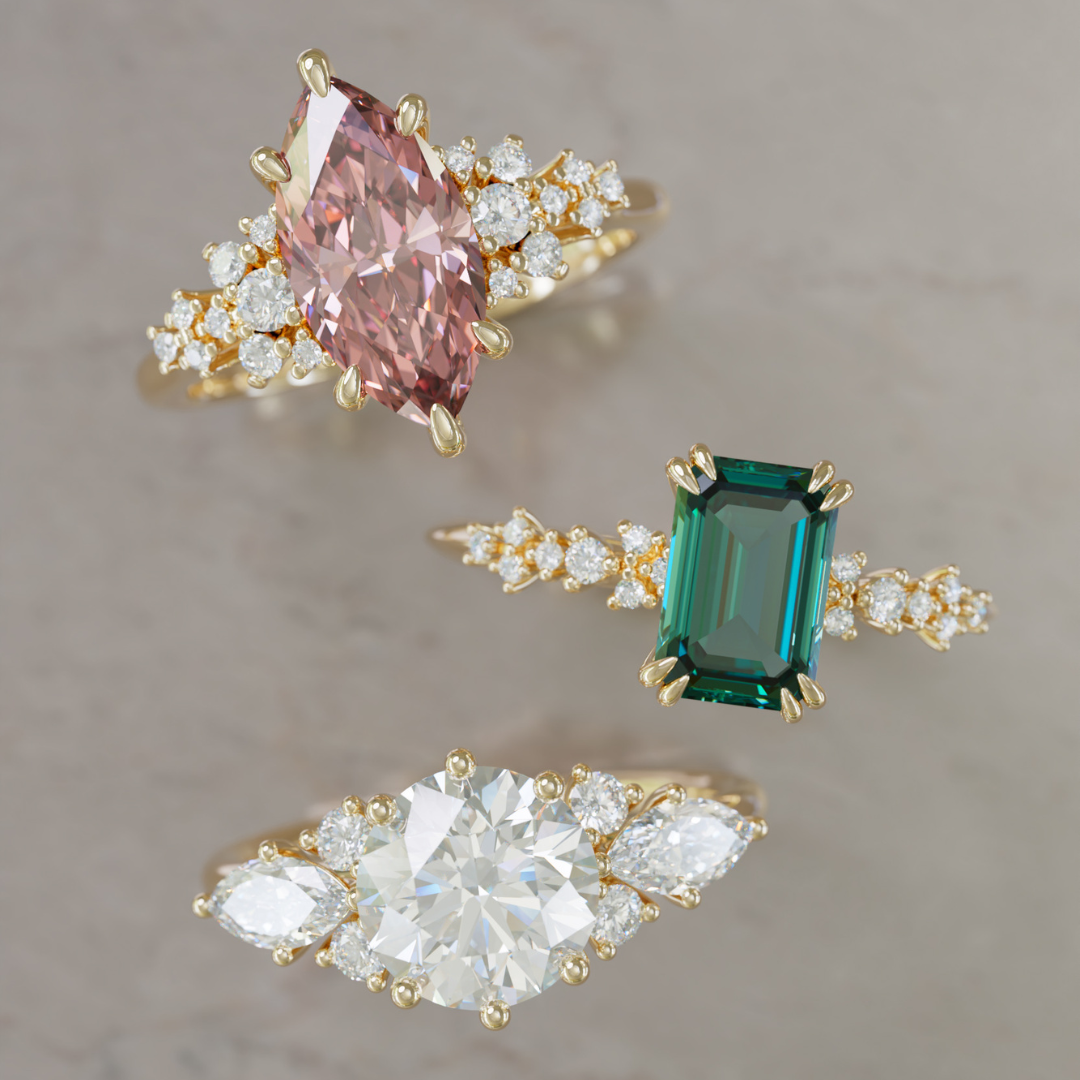
At Valley Rose, we offer a range of lab-grown diamonds that can be paired with any of our pre-designed engagement ring settings or a custom engagement ring. Below, we’re sharing everything you need to know before you buy a lab-grown diamond engagement ring for your 2026 proposal.
What is a Lab-Grown Diamond?

A lab-grown diamond is a real diamond, created under lab conditions, giving it the same chemical makeup, structure, and appearance as lab diamonds. The technology used to make lab diamonds replicates the intense heat and pressure in the Earth’s core that form diamonds over millions of years. This process is more sustainable and ethical, while also making the diamonds more affordable than their natural alternative.
Lab-Grown vs. Natural Diamonds: What’s the Difference?
Lab and natural diamonds are both real diamonds as they’re structurally, chemically, and optically identical. You can only tell the difference between a lab vs. natural diamond by testing them. The main difference between the two is how they’re created.
While natural diamonds are formed over billions of years deep within the Earth, lab-grown diamonds are created in controlled lab environments that replicate the conditions under which natural diamonds are made. Both types of diamonds are made of carbon, but lab diamonds are fully traceable, sustainable, and usually 20% more affordable.
What to Consider When Buying a Lab-Grown Diamond

The 4Cs are just as important when buying a lab-grown diamond as a natural one. You’ll want to consider the cut, color, clarity, and carat of your chosen stone. At Valley Rose, you can choose your own center stone, searching through our collection of gemstones by selecting your preference for shape, color, cut, carat, clarity, and price.
Before you start shopping for a sustainable engagement ring, take the time to research the 4Cs and read our in-depth guide on the importance of diamond grading. One thing to consider when buying a lab-grown diamond is that your budget will always go further, whether you want a large carat or a diamond with a higher clarity.
FAQs about Lab-Grown Diamond Engagement Rings
Our engagement ring blog is full of in-depth articles and guides covering everything you need to know about lab-grown diamonds. If you have a specific question about our lab-grown diamonds, you can book a virtual consultation or use our contact form to get in touch.
Are lab-grown diamonds durable enough for everyday wear?
Lab diamonds are just as durable as natural diamonds with a 10 rating on the Mohs scale. They’re ideal for everyday wear and easy to care for with a little TLC.
Do lab-grown diamonds hold value?
Lab-grown diamonds are becoming increasingly more valuable as they start to become the industry standard, with couples actively choosing them over natural diamonds as a sustainable alternative.
Can I choose a lab diamond for an emerald cut engagement ring?
A lab diamond will work for any engagement ring, including an emerald cut engagement ring, like our ‘Astrid’ engagement ring.
Find Your Dream Engagement Ring at Valley Rose Studio
At Valley Rose, we’ll help you bring your dream engagement ring to life with our collection of lab-grown diamond engagement rings. Get started by booking a virtual consultation or exploring our blog for more proposal inspiration.
Popular posts
Share this
More from the blog
View all




Leave a comment