



What Engagement Ring Cut Works Best for Lab-Grown Diamonds?
There are a lot of misconceptions around lab-grown diamonds. They are chemically, visually, and physically identical to their natural counterpart. Just like mined diamonds, the cut is one of the most important parts of a lab-grown diamond. It’ll determine the visual appearance of your diamond, how much it sparkles, and how noticeable any inclusions may be.
Choosing the right cut for your lab-grown diamond is a crucial step in designing a custom engagement ring. The best cut is one that offers the clarity, brilliance, and longevity that you’re looking for. In this article, we’re exploring why your diamond cut is important and spotlighting some of our favorite styles.
Why Cut Determines Everything About Your Engagement Ring
While all 4Cs – cut, clarity, color, and carat – matter when designing an engagement ring, it’s the cut that makes the biggest difference. There are a variety of diamond cuts to choose from, including the classic round brilliant cut or a radiant cut. While the cut gives your diamond its visual shape, it also determines how well it will sparkle in natural light, along with its durability and wearability.
Cut is always the quality that will determine the sparkle of your engagement ring, and that’s true regardless of the type of diamond you’re using. Do your research and decide early whether a subtle shine or a dazzling sparkle is the goal for your engagement ring.
Round Brilliant: The Benchmark for Sparkle

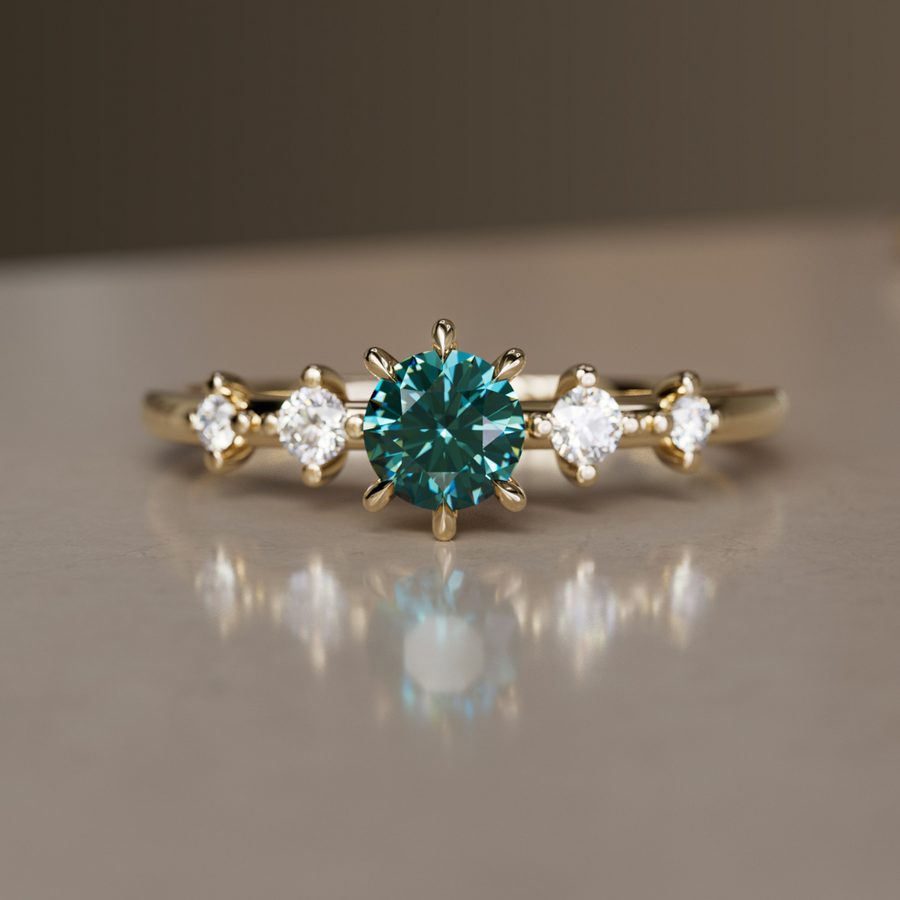
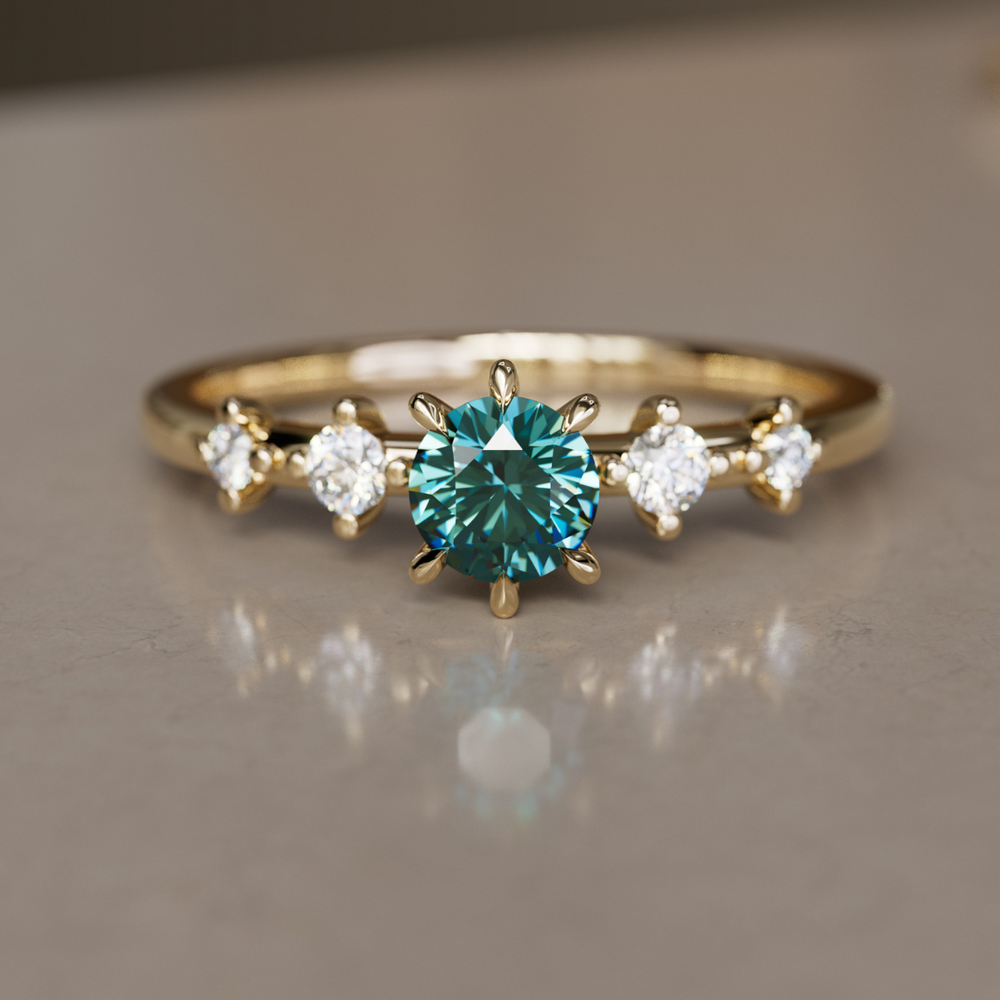
A round brilliant cut, like our ‘Sorrel’ nature-inspired engagement ring, will be cut to optimize the faceting to produce as much sparkle as possible. The beauty of a lab-grown diamond is that the controlled environment it’s created in makes it easier to produce a premium round cut without the price tag.
Oval, Pear & Marquise: Elongated Cuts with Light and Presence
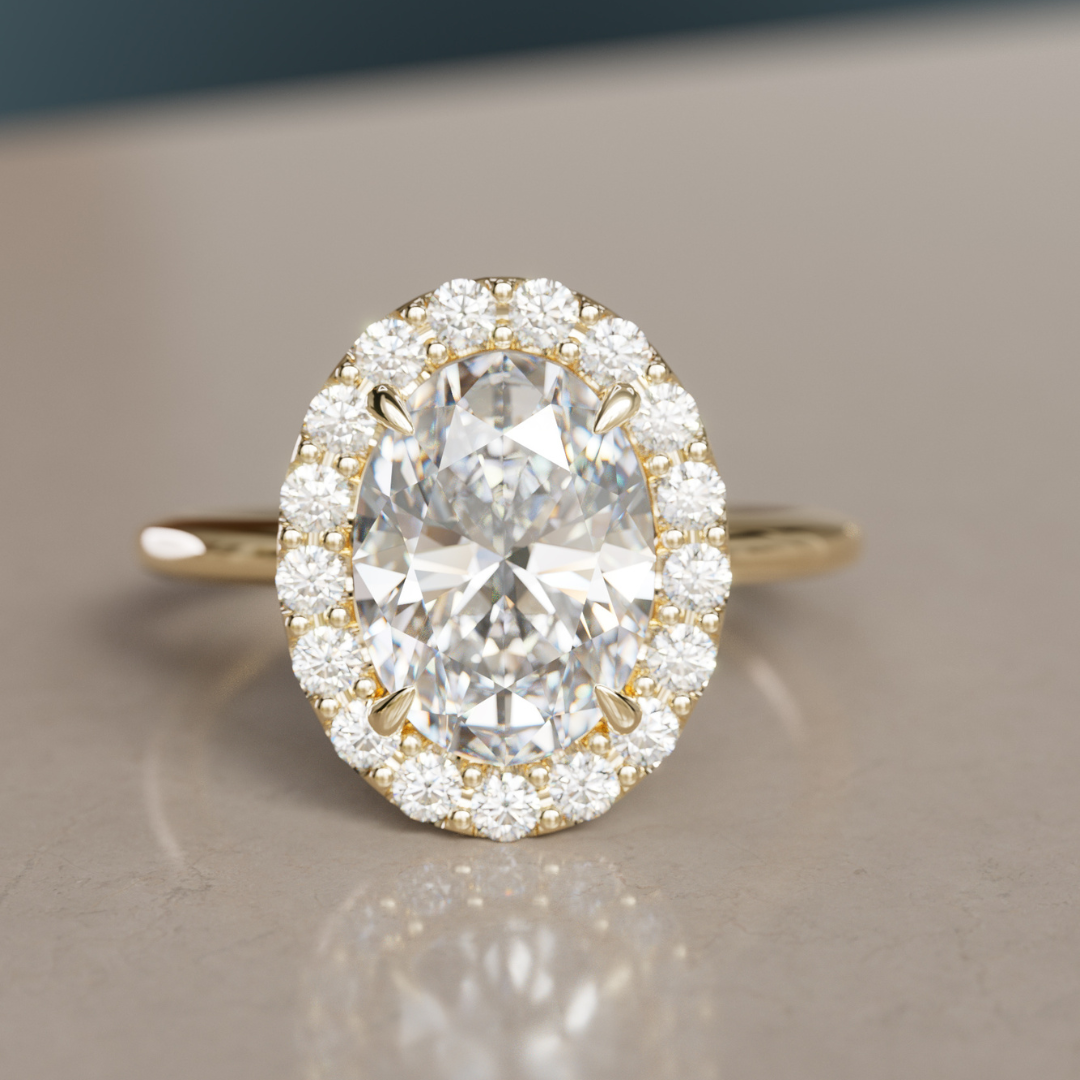
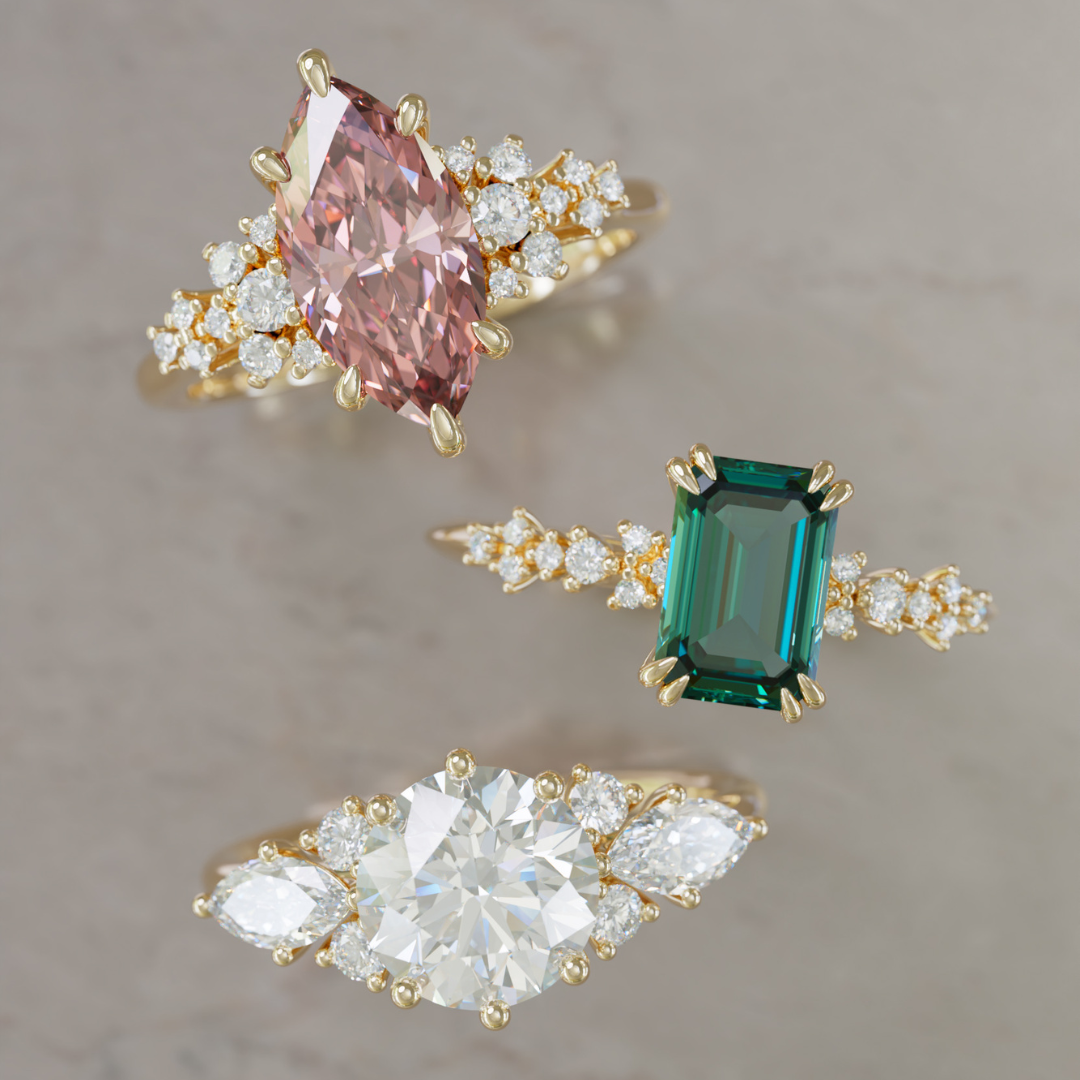
Elongated cuts are the perfect match for lab-grown diamonds and a great option if you’re looking for a statement engagement ring without breaking the bank. An oval, pear, or marquise cut will give the illusion of a larger carat size without paying for a bigger stone. A style like our ‘Irina’ ring shows how an oval cut can help maximize the real estate of your ring.
Emerald & Asscher Cuts: When Clarity Becomes the Star

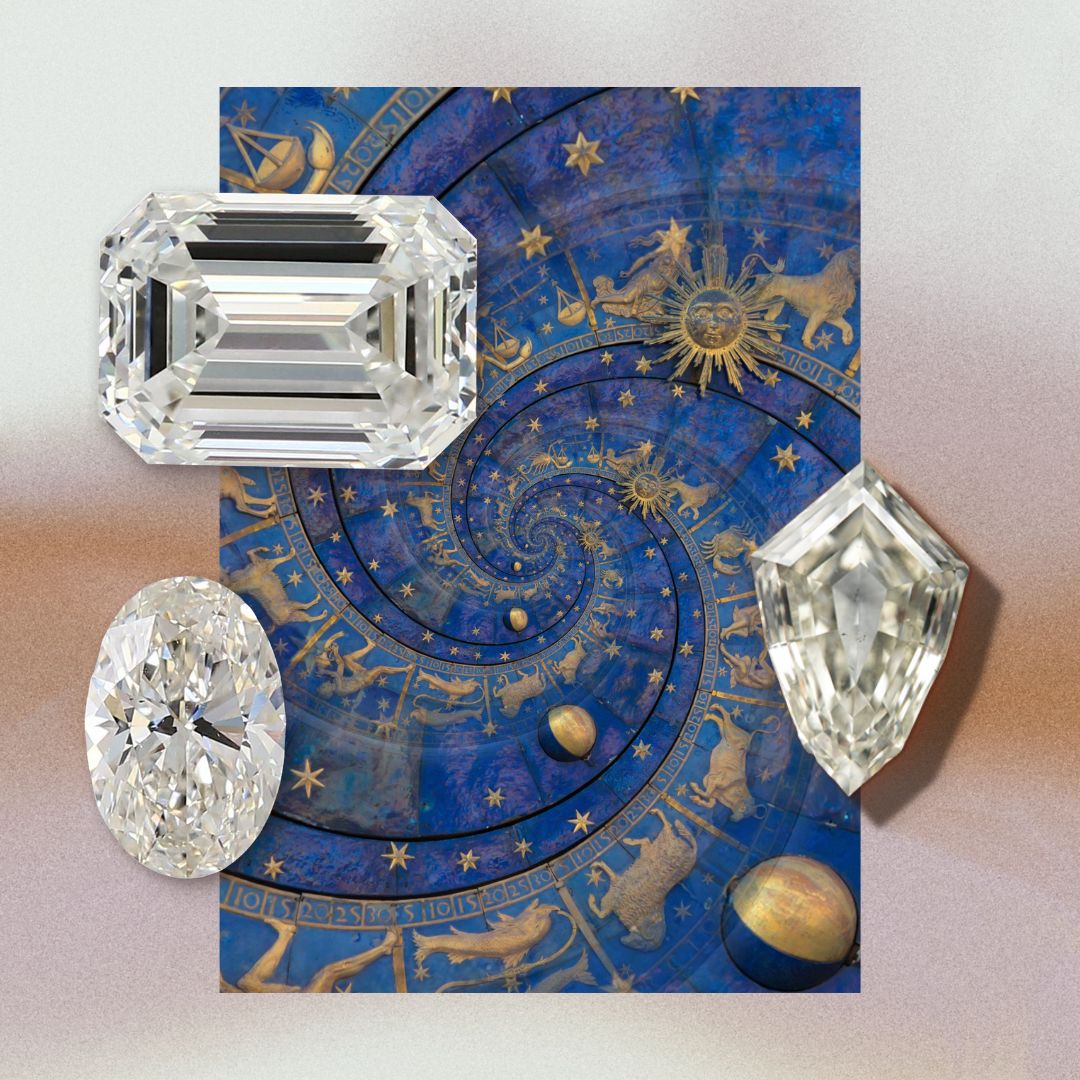
If you want a cut that focuses on the clarity of your ring (meaning it has fewer inclusions!), then an emerald or Asscher cut is worth considering. Lab-grown diamonds typically have fewer inclusions due to their production method, and these cuts are ideal for a vintage-inspired engagement ring, like our ‘Valeria’ ring.
FAQs About Lab-Grown Diamonds & Cut
What cut makes lab-grown diamonds sparkle the most?
A round brilliant cut offers the most sparkle for a lab-grown diamond, but other styles like a radiant cut, princess cut, and oval cut also produce plenty of sparkle.
Are some cuts better for hiding inclusions in lab-created diamonds?
Round brilliant cuts have 58 facets, which offer maximum sparkle and help to hide inclusions. A cushion cut and radiant cut can also hide inclusions in lab-grown diamonds due to their step-cut and smaller facets.
Do lab-grown diamonds look different in certain cuts?
Any diamond, whether it’s lab-grown or natural, will look different depending on the type of cut you choose.
Is cut more important than carat size?
Cut is one of the most important aspects of your engagement ring. The right cut can make your diamond or gemstone appear larger than its carat size.
The Best Engagement Ring Cut Is The One Designed With Intention
Lab-grown diamonds are chemically, visually, and physically the same as their natural diamond counterparts, meaning that the best cut for your stone will depend on the style of engagement ring you’re looking for.
At Valley Rose, our lab-created diamond engagement rings are handcrafted in New York using fairmined gold to create modern heirlooms that will stand the test of time. Explore our range of alternative engagement rings or book a virtual consultation to start customizing any of our engagement ring settings.
Popular posts
Share this
More from the blog
View all




Leave a comment