

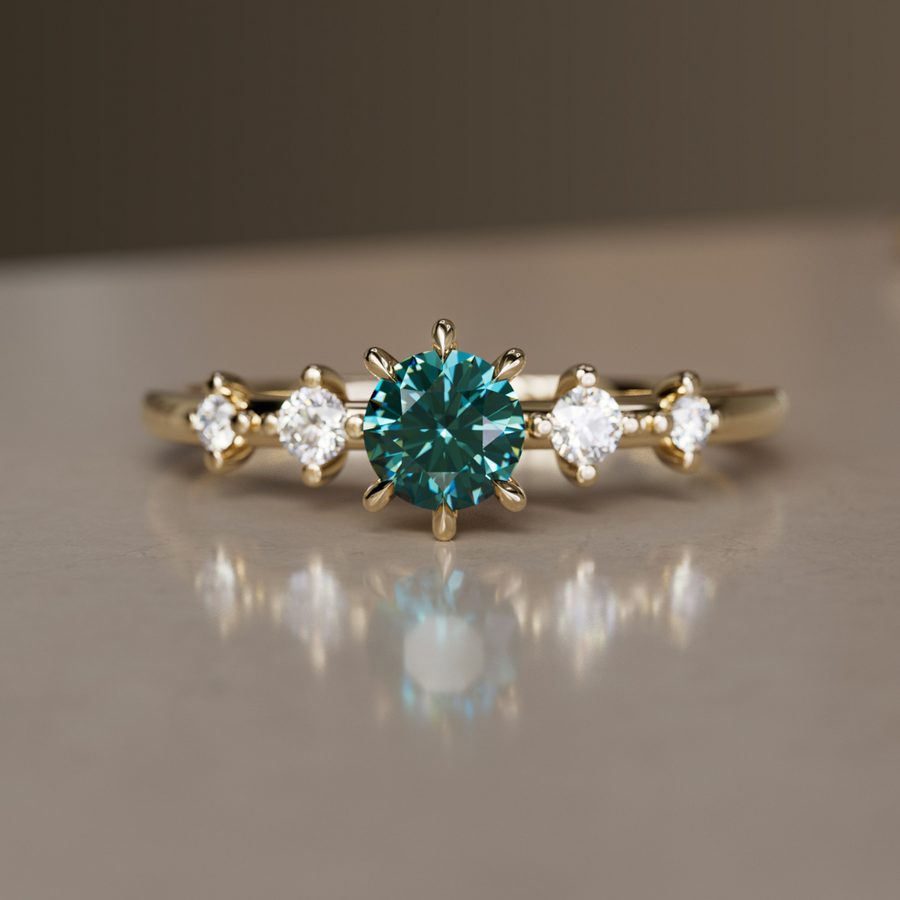
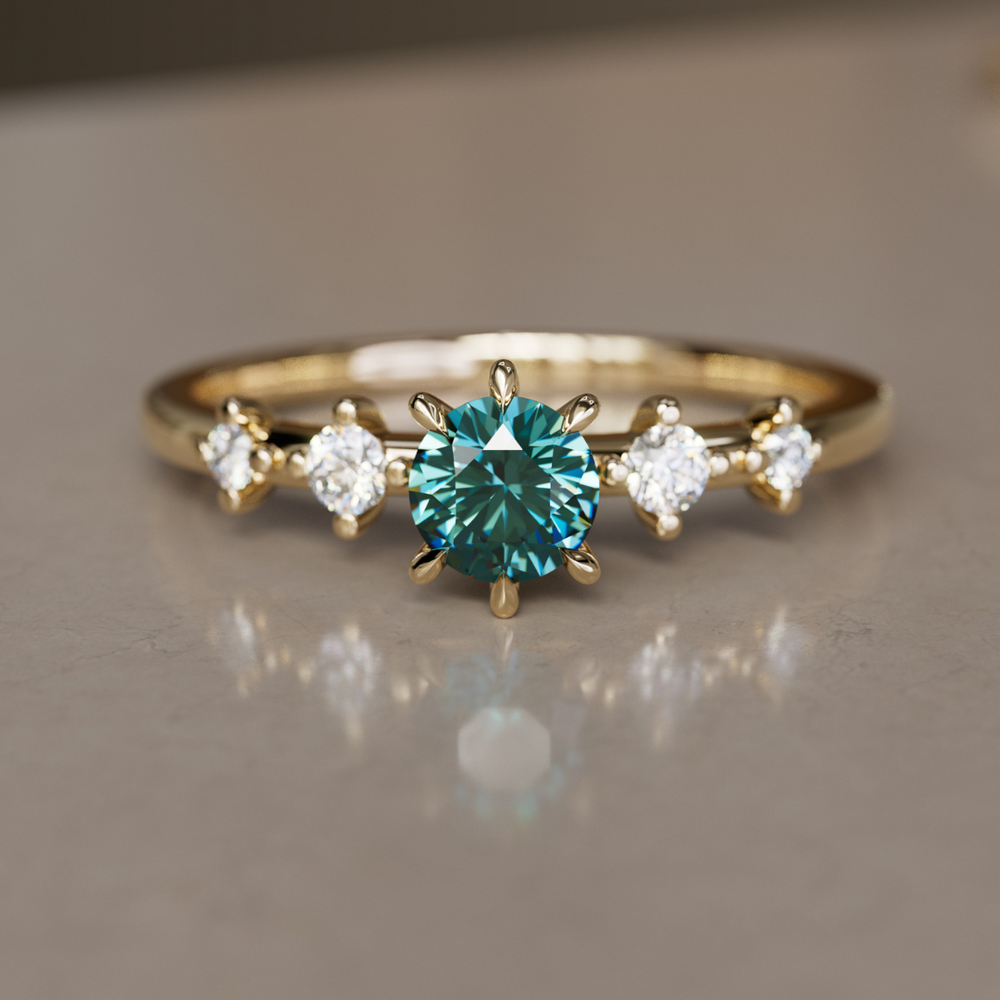


Are Sapphire Engagement Rings Ethical? What to Know Before You Buy
Sapphires are the most popular diamond alternative, and it’s no secret that we’re fans of this gemstone. With a 9 rating on the Mohs hardness scale and a rich history of being beloved by royals and nobility alike, sapphires are having a major resurgence in engagement ring trends.
If you’re looking for a sustainable engagement ring, you might be confused about the ethical and traceability of sapphires – especially in an era when lab-grown diamonds have become mainstream.
At Valley Rose, we’re committed to traceability and sustainability, partnering with small-scale artisanal miners that are fully traceable with low environmental impacts. In this guide, we’re exploring the ethics of sapphire engagement rings and what to know before you buy.
Are Sapphire Engagement Rings Ethical?

Sapphire engagement rings are generally considered to be more ethical than traditional diamonds. The ethical status of a sapphire will depend on the mining practices used, and the mine’s labor conditions and environmental impact. Traceability from mine to market is also crucial in determining the ethics and impact of a sapphire.
Where Do Sapphires Come From?
Sapphires come from a variety of countries, with Madagascar and Sri Lanka being the most popular. Other countries that have sapphires include Kashmir, Burma, Australia, Thailand, Tanzania, and the United States.
Read more: Sapphire Engagement Rings Explained: Colors, Meanings & How to Choose
What Makes a Sapphire Truly Ethical?
There are 3 main things to look for when determining if a sapphire is actually ethical. The rise in popularity of sustainable engagement rings means it’s important to be on the lookout for potential greenwashing or inconsistent claims.
- Traceability: Where did the sapphire originate from, and how is the supply chain documented?
- Responsible mining practices: Small-scale ethical mining is preferred, but what fair labor conditions and environmental protections are in place?
- Transparent certification: Unlike for lab-grown diamonds, there are currently no 3rd-party certification available for ethical sapphires; instead, look for a jewelry brand that discloses its suppliers.
FAQs About Sapphire Engagement Rings

Are sapphire engagement rings ethical?
At Valley Rose, our sapphires are sourced directly from small-scale artisanal mines to make them as ethical and low-impact as possible. Currently, there is no 3rd-party certification system for sapphires.
Where do sapphires come from?
Most sapphires are sourced from Sri Lanka, Madagascar, Australia, and Burma. At Valley Rose, our ethical sapphires are sourced directly from Australia and Montana in the United States.
What makes a sapphire ethical?
Sapphires are ethical when they are responsibly sourced from mines that follow fair labor practices, implement environmental sustainability policies, and are fully traceable through the supply chain.
Are sapphires more ethical than diamonds?
Sapphires are considered to be more ethical than traditional mined diamonds as they are easier to trace and typically come from artisanal mines that have better labor conditions with lower environmental impacts.
How can I tell if a sapphire is responsibly sourced?
Traceability is the key to knowing if your sapphire has been responsibly sourced. At Valley Rose, our supply chain is fully transparent for added peace of mind.
Shop Traceable, Ethical Sapphire Engagement Rings at Valley Rose
Sapphire engagement rings can be ethical, and they’re a great alternative to a traditional diamond if you want a sustainable engagement ring. Responsible sourcing and transparency are the key to guaranteeing that your sapphire is ethical.
At Valley Rose, we strive to ensure that our engagement rings align with your values. Bring your dream engagement ring to life by booking a virtual consultation or by shopping our pre-designed sapphire engagement rings.
Popular posts

Share this
More from the blog
View all




Leave a comment