

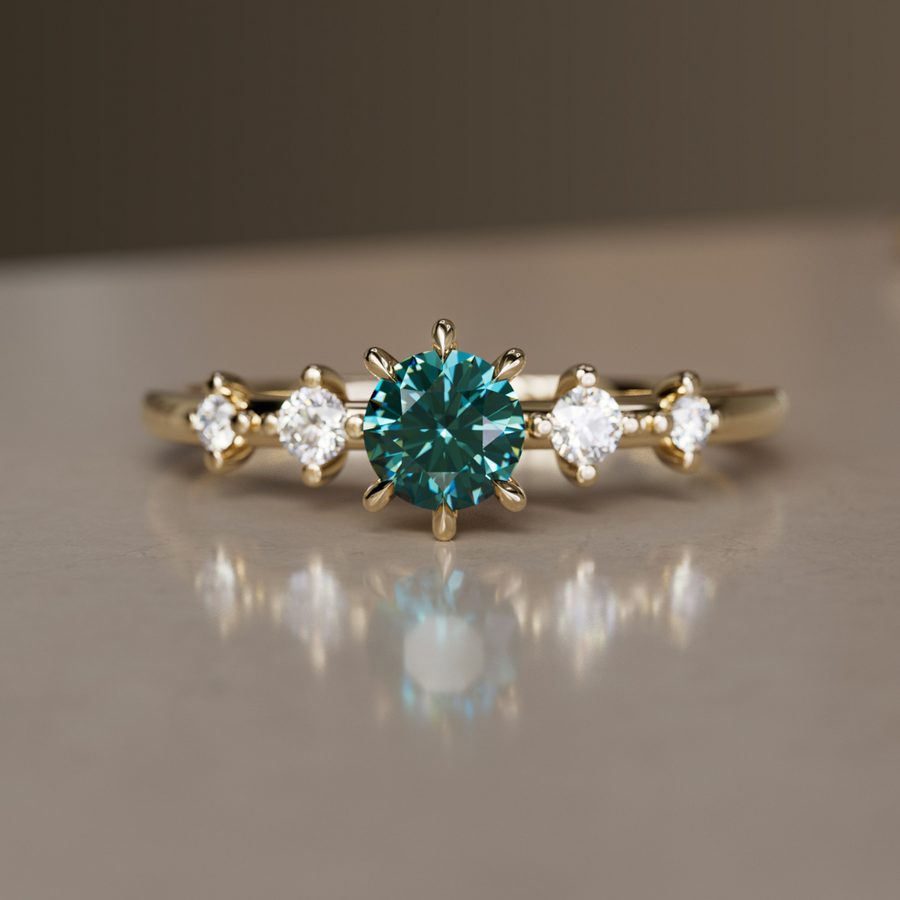
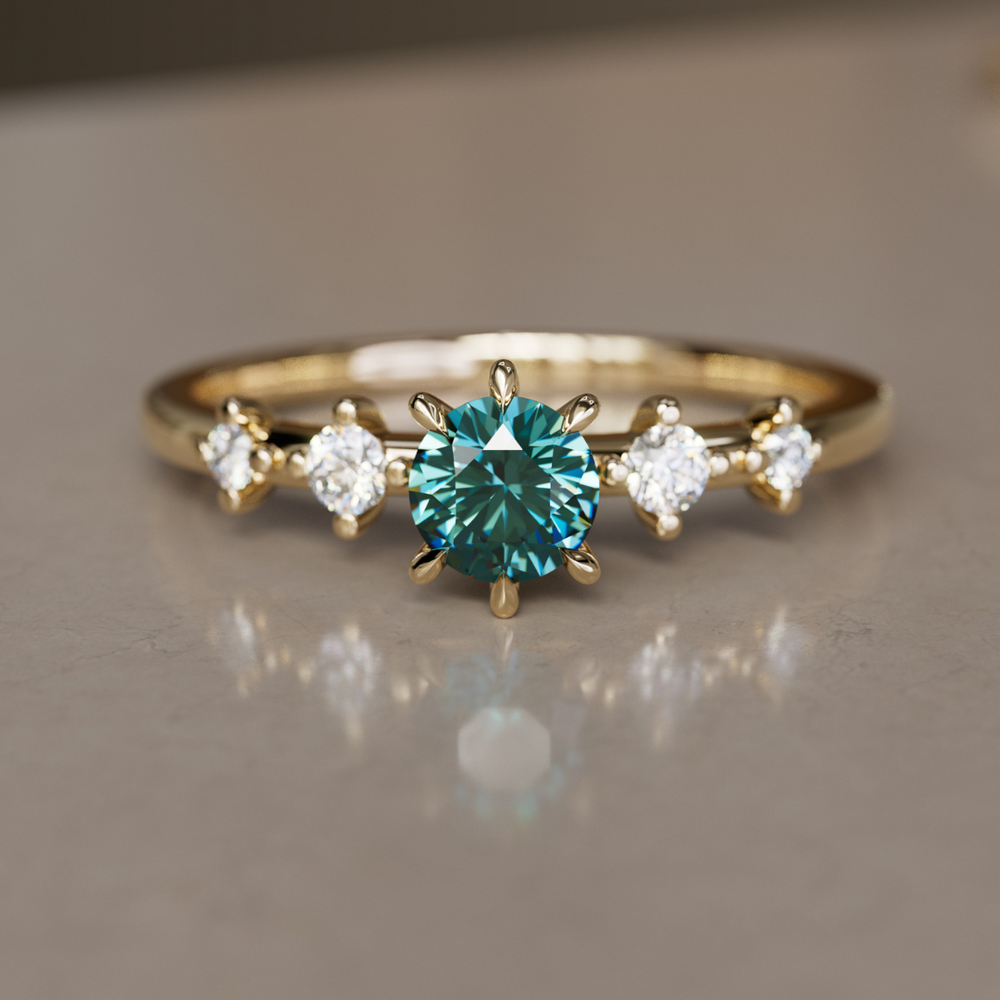


What is the Difference Between 14k and 18k Gold for Engagement Rings?
Most of us are guilty of focusing a little too much on gemstones and overlooking the importance of metal. When choosing an engagement ring, it’s important to invest in one with the right metal type for your partner. If your partner always wears gold jewelry, don’t make the mistake of buying an engagement ring with a platinum band.

The metal of an engagement ring is important for more than just aesthetic reasons. It impacts the durability, longevity, and value of your chosen ring. When it comes to gold engagement rings, you’ll have to choose between 14k vs. 18k gold.
What Does “Karat” Actually Mean?

Karat (k) measures the percentage of pure gold in an alloy. 24k means that a metal is 100% gold; however, this is too soft for everyday wear. The most common options for engagement rings are 18k (75% gold) and 14k (58.3% gold). Gold is alloyed with other metals to make it more durable, but the karat type that you choose will also determine the color richness of your band.
At Valley Rose, we use fairmined gold for all our engagement rings. You can find out by reading Fairmined Gold Explained: Why Metals Matter for Ethical Engagement Rings.
14k Gold: Durable and Practical for Engagement Rings
14k gold contains 58.3% pure gold, which is mixed with stronger alloy materials. This type of gold is more scratch-resistant and ideal for couples with an active lifestyle, while also being slightly more affordable. It’s worth considering that 14k has a slightly lighter color tone, while not having the same “rich” hue as you’ll see in 18k gold.
18k Gold: Richer in Color and Prestige for Luxury Engagement Rings
18k gold is made of 75% pure gold, giving the metal a warmer and deeper gold tone than its 14k counterpart. It also has a higher intrinsic gold value and is often preferred for fine jewelry and heirloom rings. However, it’s worth considering that 18k gold is slightly softer than 14k gold and is more likely to show signs of wear.
Is 14k vs. 18k Gold Better for Engagement Rings?
There’s no “better” choice when choosing between 14k vs. 18k gold for your engagement ring. We recommend 14k gold if you’re prioritizing durability and have an active lifestyle. By comparison, 18k gold is a better option for couples who want to invest in a modern heirloom with a higher gold content.
FAQs About 14k and 18k Gold Engagement Rings

What is the difference between 14k and 18k gold?
The difference between 14k and 18k gold is their percentage of pure gold. 14k has 58.3% pure gold, while 18k gold has 75% pure gold.
Is 14k or 18k gold better for engagement rings?
Both 14k and 18k gold are suitable for engagement rings, but we recommend 14k gold for couples with an active lifestyle and 18k for those who want to invest in a modern heirloom.
Does 18k gold scratch easily?
18k gold scratches more easily than 14k gold because it is slightly softer, due to having a higher concentration of pure gold.
Is 18k gold more valuable than 14k gold?
18k gold is more valuable than 14k gold as it has a higher percentage of pure gold (75%).
Shop Fairmined Gold Engagement Rings at Valley Rose
The best type of gold is the one that aligns with your goals and lifestyle. At Valley Rose, we use fairmined gold as part of our commitment to creating ethical engagement rings. You can find out more about fairmined gold on our blog or explore our range of unique engagement rings to start planning your proposal.
Popular posts
Share this
More from the blog
View all




Leave a comment